






























Vacuum Coating vs Spray Processing Guide
Manufacturing buyers often struggle between vacuum coating and spray processing when selecting surface finishing. Each technology has distinct principles, performance limits and suitable scenarios. Correct selection balances appearance, durability, workpiece geometry and project budget.
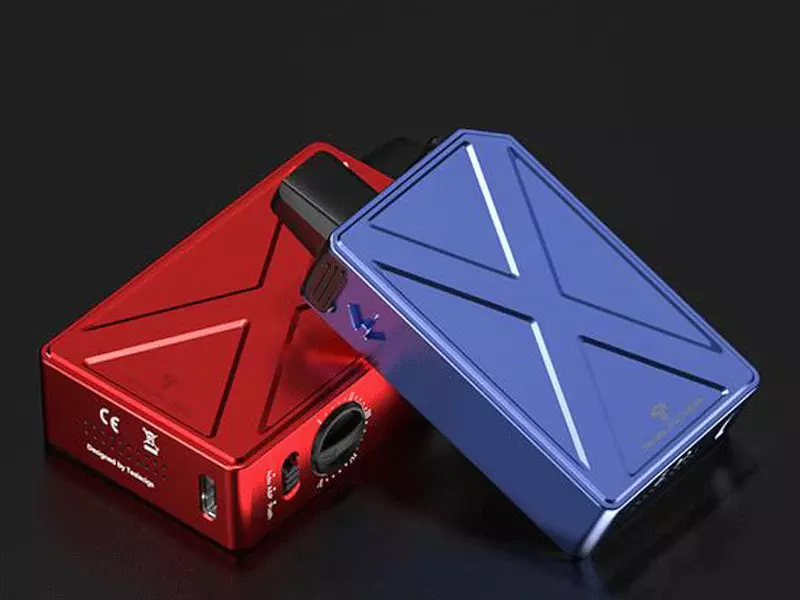
Vacuum PVD coating forms nanometer scale thin films inside high vacuum chambers. It delivers genuine metallic luster, high hardness and excellent salt spray & wear resistance. It is perfect for high end decorative components, electronic functional parts and products working under corrosive conditions. Its main drawbacks are higher unit cost and poor uniformity on deep cavity complex parts. Some heat sensitive plastics may deform under chamber temperature.
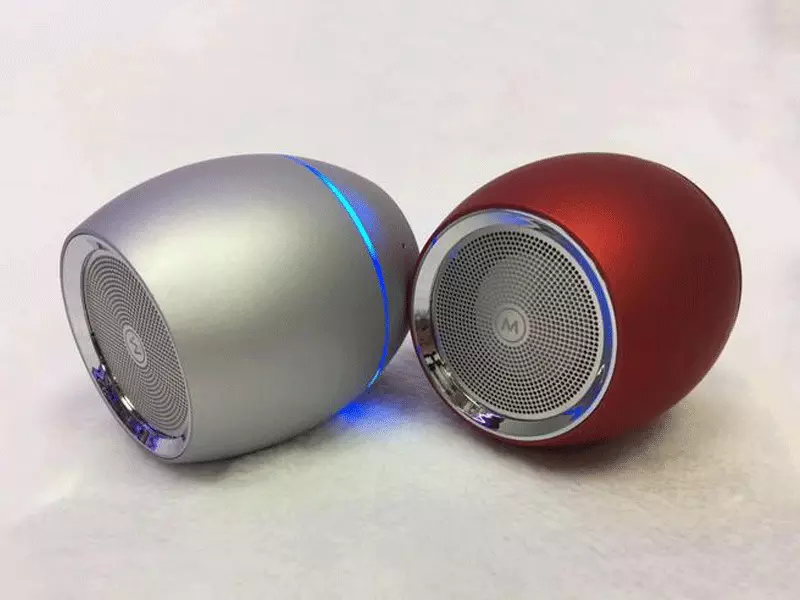
Spray processing builds thick paint films via atomized coating materials. Its strengths lie in low processing cost, outstanding adaptability for complex geometry and unlimited color options. It fits mid range decorative housings, large structural parts and projects requiring rapid prototyping and multi color customization. Nevertheless, spray only produces simulated metallic effect, and overall wear corrosion performance cannot match premium vacuum coating.
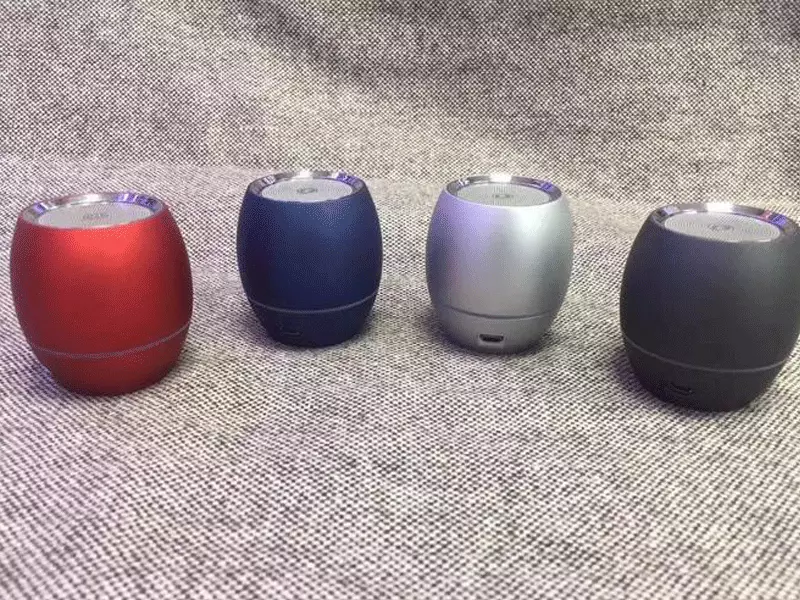
Four practical dimensions help you make decisions. First, aesthetic requirement: choose vacuum coating for real metal mirror or matte finish, choose spraying for solid colors and special paint textures. Second, service environment: pick vacuum coating for high wear corrosive conditions, spraying for indoor or moderate load applications. Third, part geometry: prefer spraying for workpieces with complicated inner cavities. Fourth, budget and batch size: spraying suits cost sensitive small batch orders, vacuum coating fits high value mass production goods.
Many factories adopt hybrid composite process: spray primer + vacuum metallization + protective top coat. This combines merits of both technologies and gains wide application for cosmetic packaging and automotive plastic accessories.